JCT CONTRACTS FOR FIT-OUTS:
MINOR WORKS, INTERMEDIATE, OR DESIGN AND BUILD?

Author:
Mitchell Broughton, Operations Director, Eden Build.
Reviewed November 2026.
Most commercial fit-outs and refurbishments in England are let under a JCT contract. Choosing the right one matters more than people expect: it decides who carries design risk, how changes are priced and how much administration the job needs. This guide compares the three JCT contracts most used for fit-outs, and when each one fits.
| Contract | Best for | Who designs | Typical fit-out use |
|---|---|---|---|
| Minor Works (MW / MWD) | Simple, short works with full design information | Client’s design team (MWD: contractor designs a defined part) | Small refurbishments, single-floor Cat B, works without complex services |
| Intermediate (IC / ICD) | Works of moderate complexity, fully designed, without highly complex services | Client’s design team (ICD: contractor designs defined parts, often M&E) | Most consultant-led fit-outs and refurbishments in the £500k–£4m range |
| Design and Build (DB) | Projects where the client wants one party responsible for design and build | Contractor completes the design from the client’s requirements | Cat A, larger Cat B, or where the client has no design team |
The Standard Building Contract (SBC) is used for larger, more complex projects, and is less common for fit-outs of this size.
Minor Works is short and straightforward to administer. It works well where the design is complete, the scope is simple, and there’s little specialist work. It’s less suited to jobs with significant M&E or several specialist packages, because it has fewer provisions for things like named subcontractors and detailed procedures for changes and delays.
The “with contractor’s design” version (MWD) lets the contractor design a defined part of the works.
Intermediate is the workhorse for consultant-led fit-outs. It has fuller provisions than Minor Works for programme, extensions of time, loss and expense and named specialists, while staying manageable for a refurbishment of a few hundred thousand to a few million pounds.
ICD adds a contractor’s designed portion. On fit-outs this is often used for M&E, where the engineer produces a performance specification and the contractor’s specialist completes the detailed design.
Under Design and Build, the contractor takes responsibility for completing the design to meet the client’s requirements. It gives one point of responsibility and more price certainty early, but less control over detailed design, and changes after contract can be expensive.
It suits Cat A fit-outs, larger Cat B projects where the client wants a single point of contact, and clients without their own design team.
If you’re not sure, your QS or contract administrator will advise based on the design information you have and how much risk you want to keep.
Eden work under JCT Minor Works, Intermediate and Design and Build on commercial fit-outs and refurbishments. See JCT contractor and cost reporting and valuations for how we run valuations, variations and final accounts.
For a consultant-led fit-out with complete design information, the JCT Intermediate Building Contract is the most common choice. Minor Works suits simpler, smaller jobs, and Design and Build suits clients who want the contractor to carry the design.
Minor Works is shorter and simpler, for straightforward works with full design information. Intermediate has fuller provisions for programme, delays, loss and expense and named specialists, and suits more complex refurbishments.
A defined part of the works, often M&E, that the contractor designs. It’s set out in the employer’s requirements and covered by the “with contractor’s design” versions of JCT contracts.
Yes. JCT Design and Build is often used for Cat A fit-outs and larger Cat B projects where the client wants one party responsible for design and construction.
The current edition of the relevant contract. Check your tender documents and any amendments refer to it rather than an older edition.
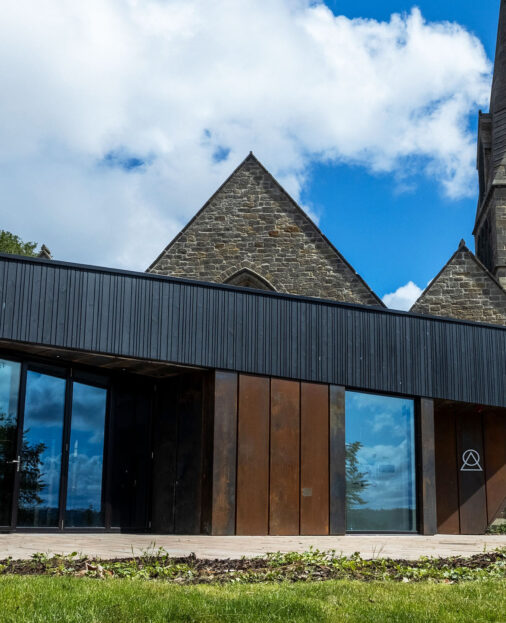 LIGHTHOUSE PROJECT, NEWCASTLE
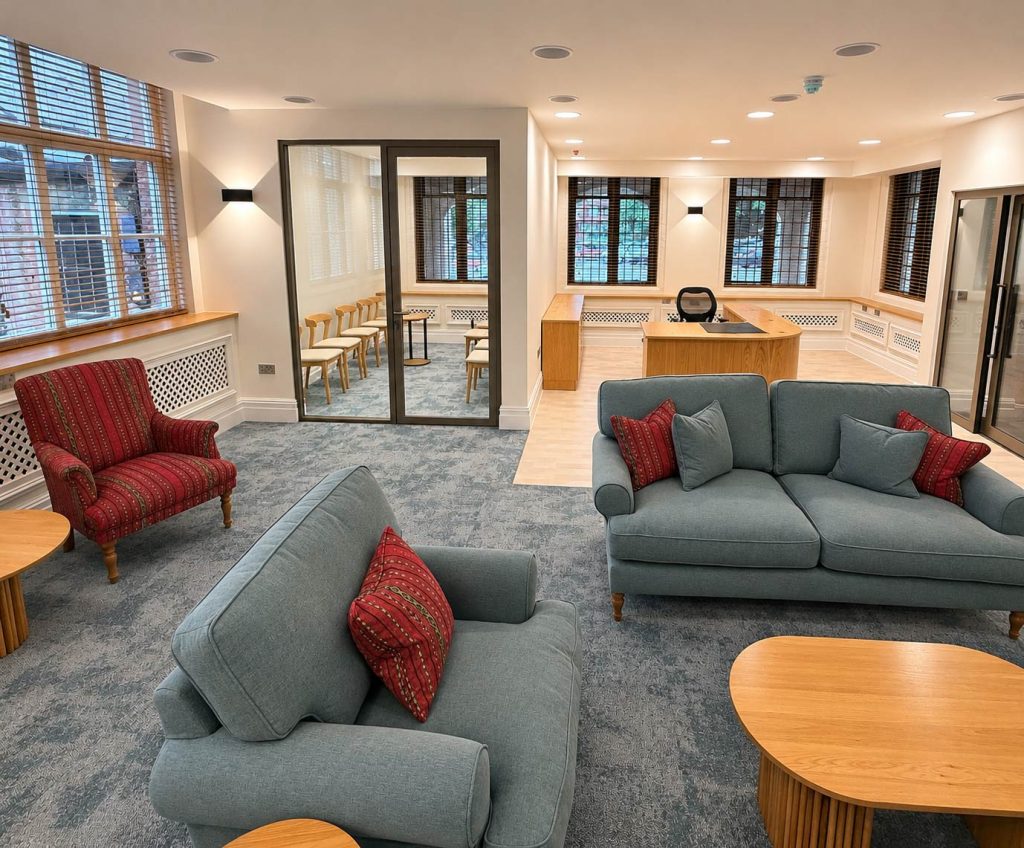
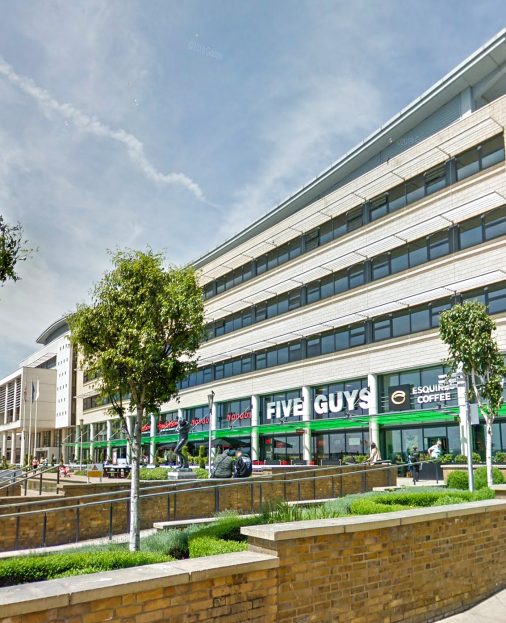 CIVIC CENTRE, THE WATER GARDENS, HARLOW
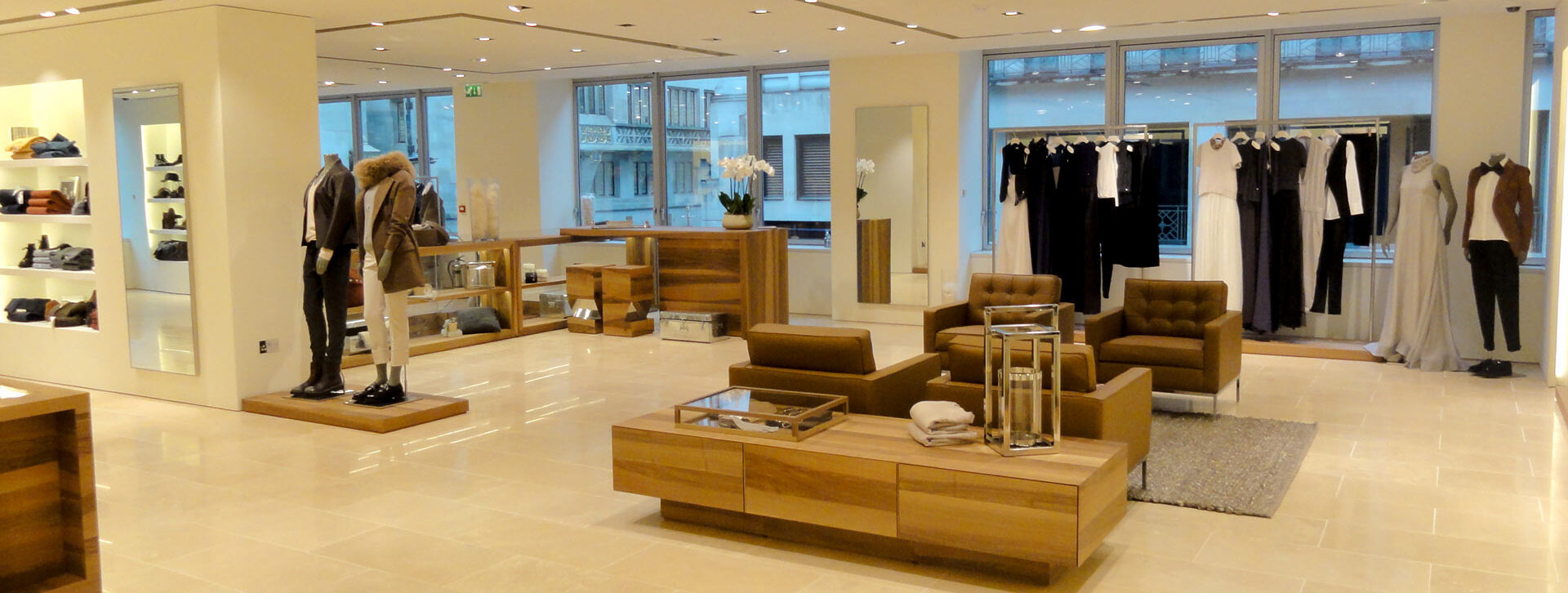
 BRUNELLO CUCINELLI FIT OUT, MAYFAIR
Eden Build UK Ltd
Unit 33, Woodside Industrial Estate,
Woodside, Thornwood, Epping,
Essex, CM16 6LJ