Proof: three listed buildings, all kept in use
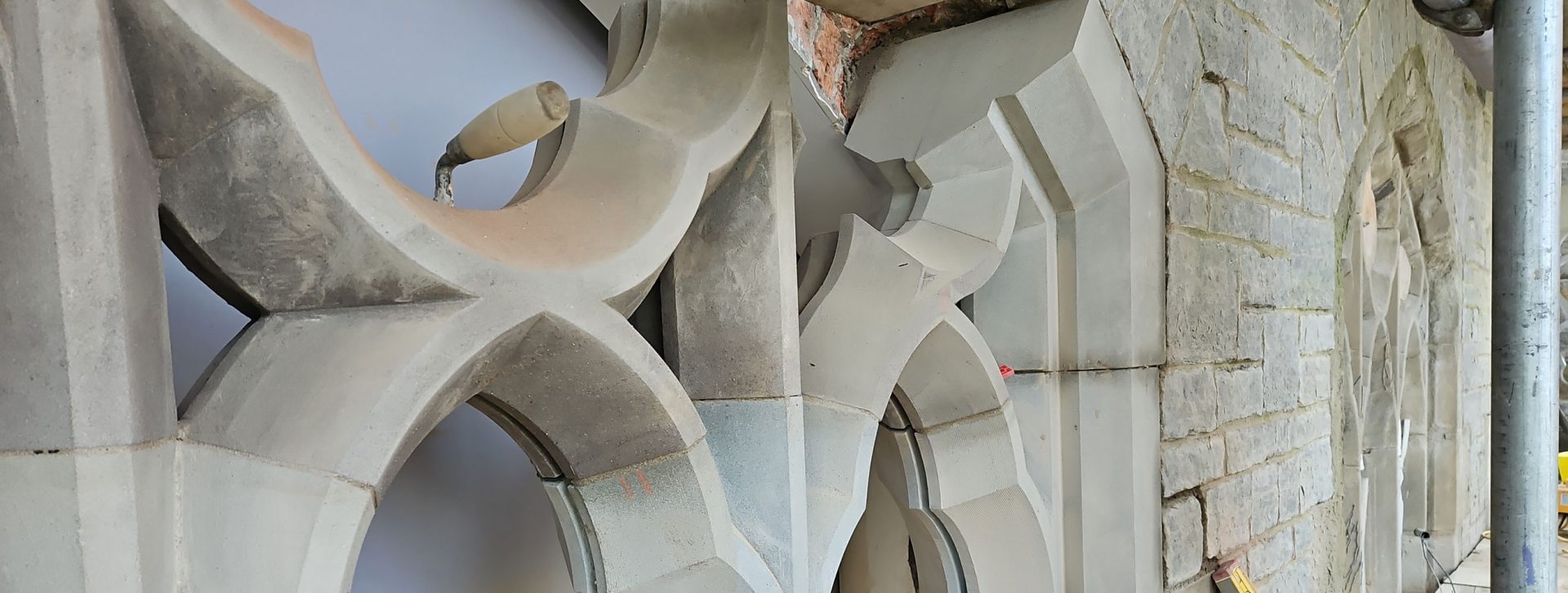
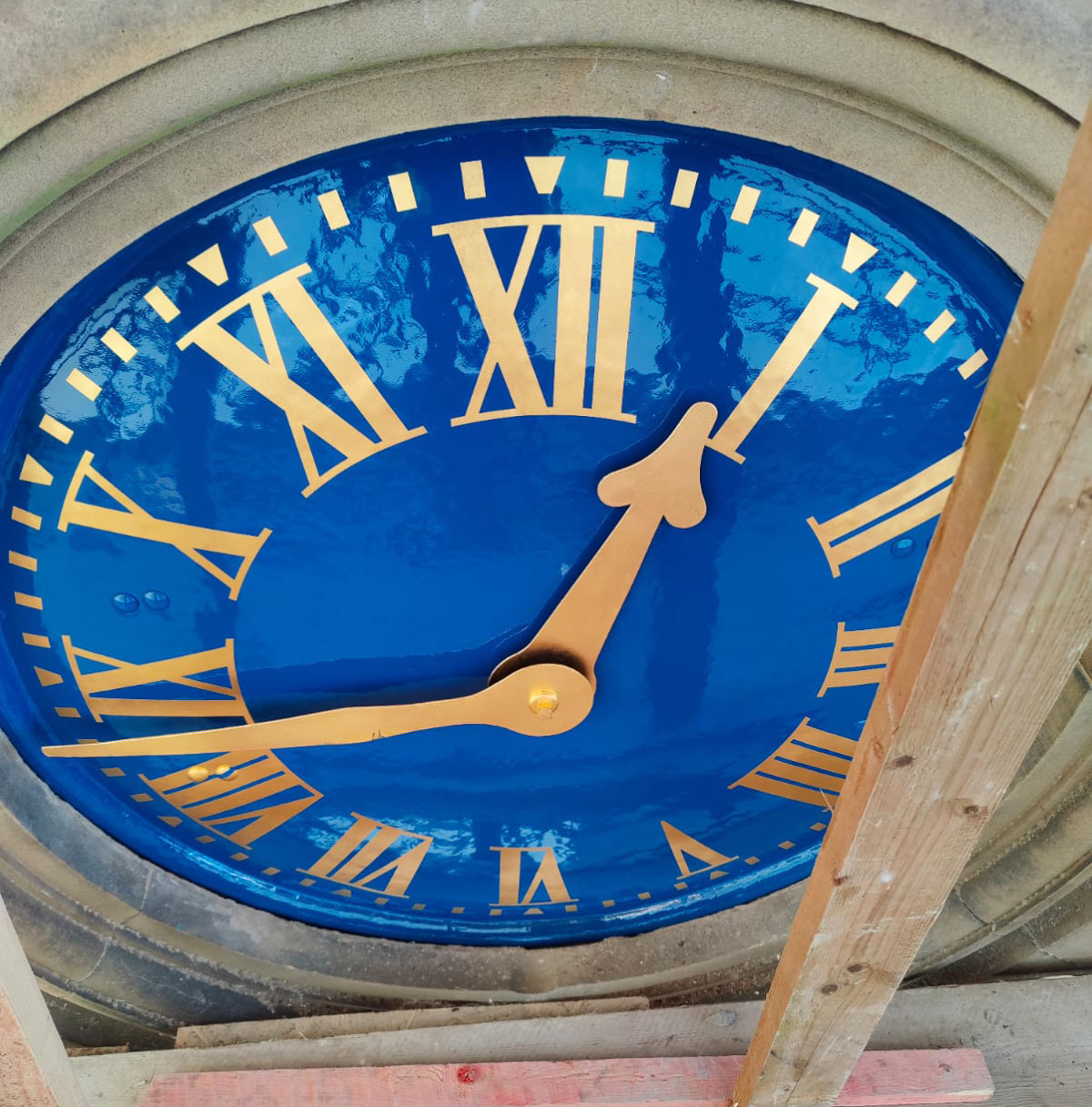
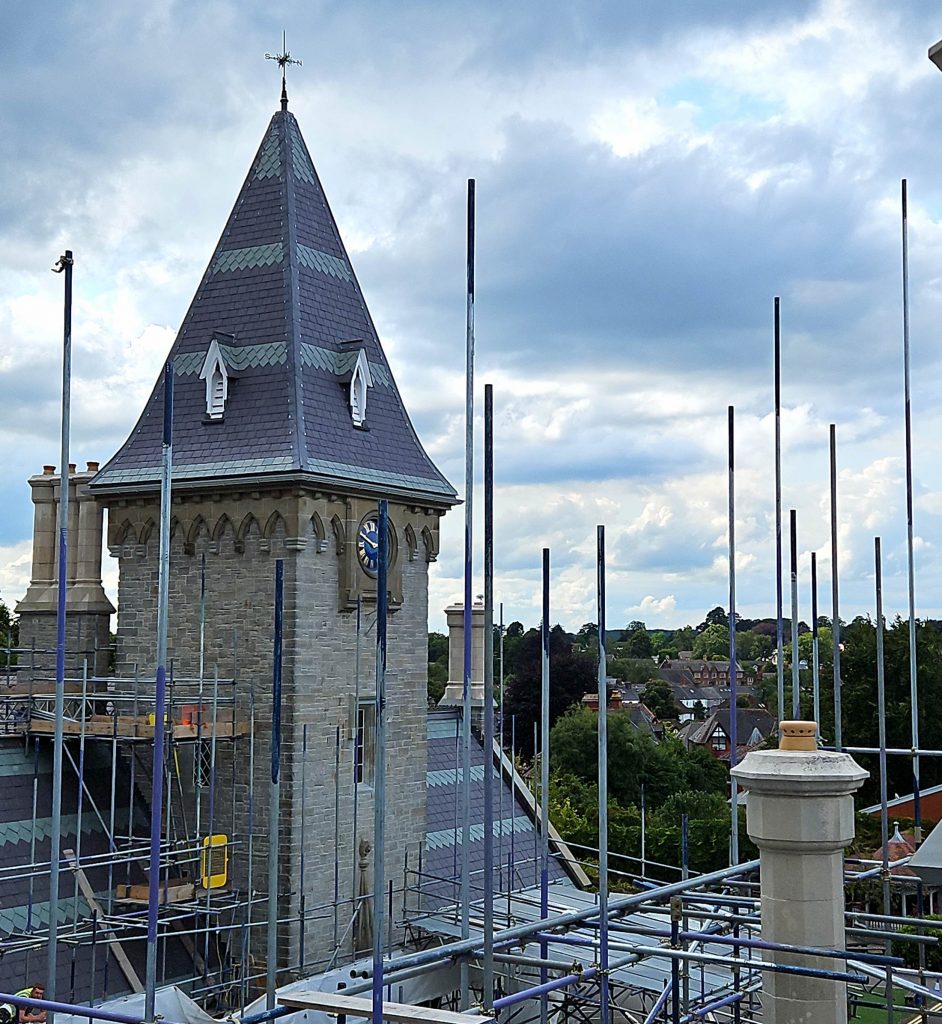
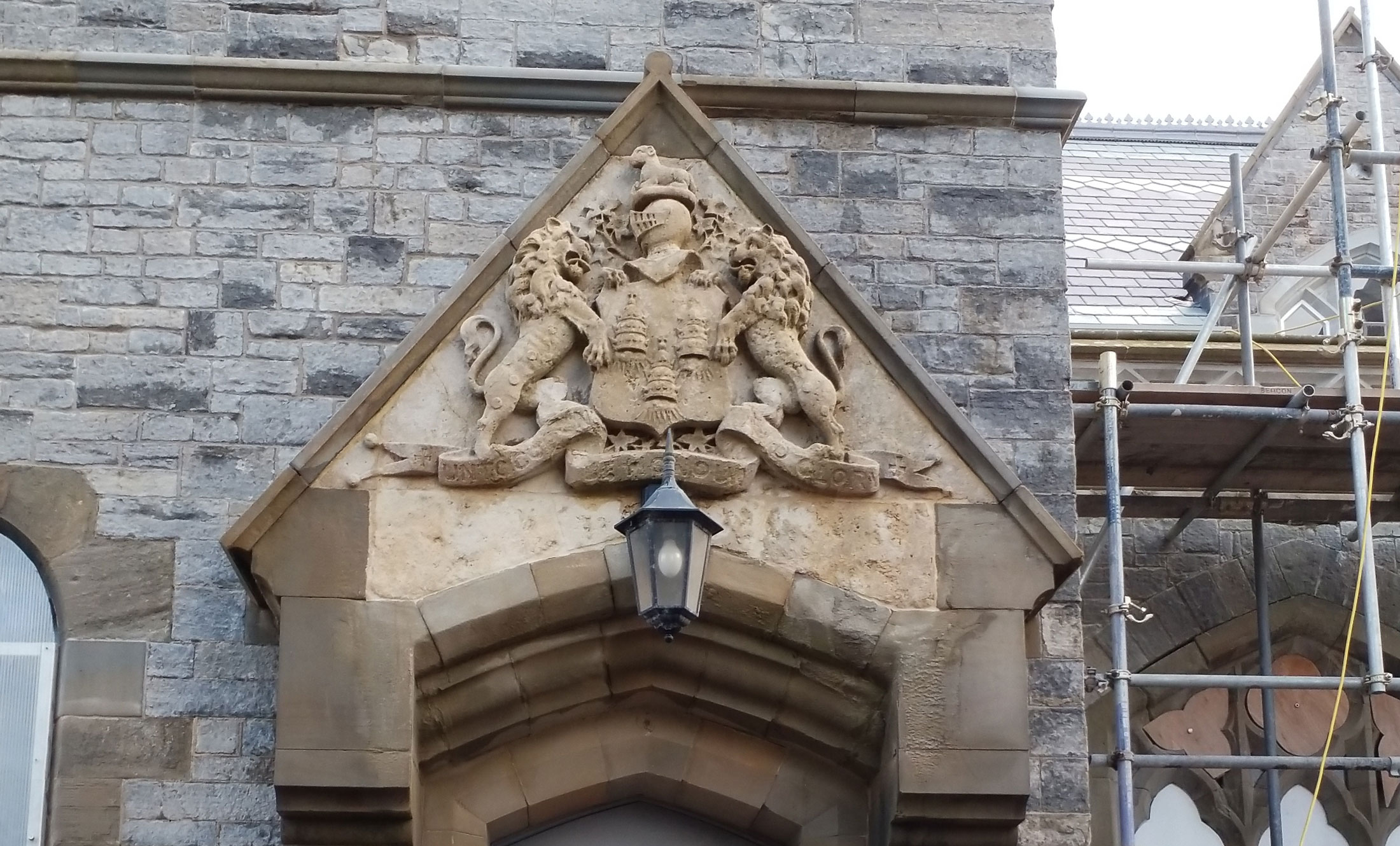
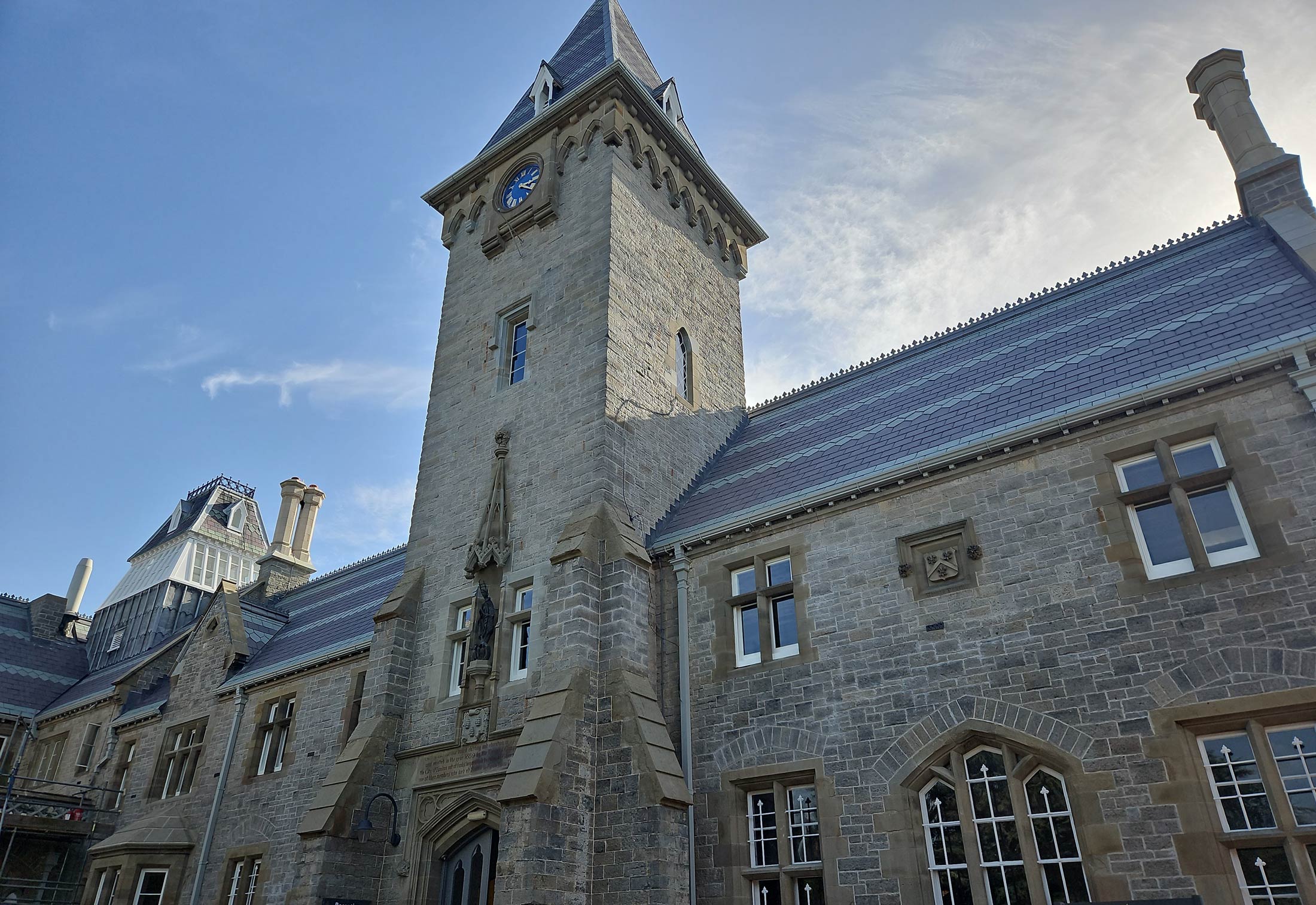
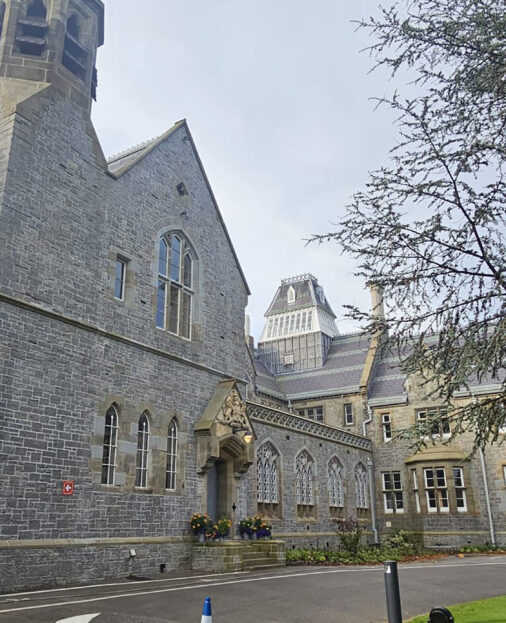
Howell’s School, Cardiff. A Grade II* listed school for GDST. External restoration over 25 months: a new roof, 13 chimneys rebuilt, stone brought in from the Forest of Dean, 1,400m of façade repointed in lime-based mortar, new rainwater goods, and timber and metal windows repaired or replaced to match — all carried out under CADW approval while the school stayed open. Read the case study
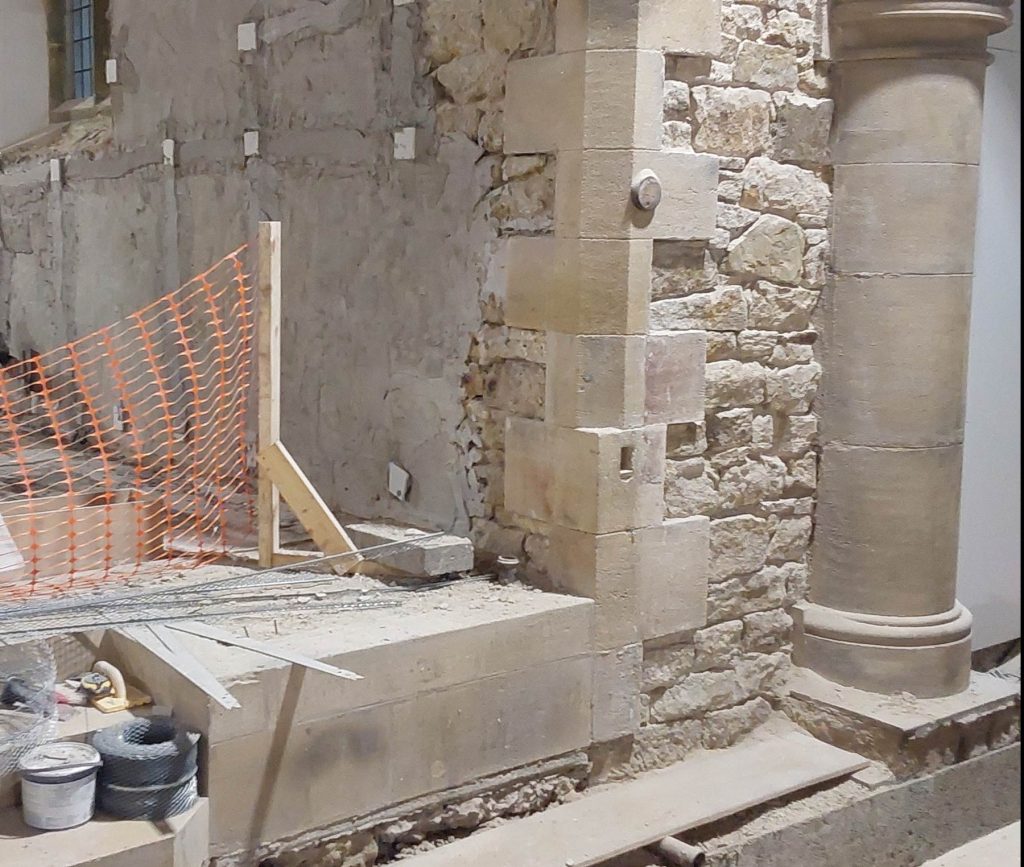
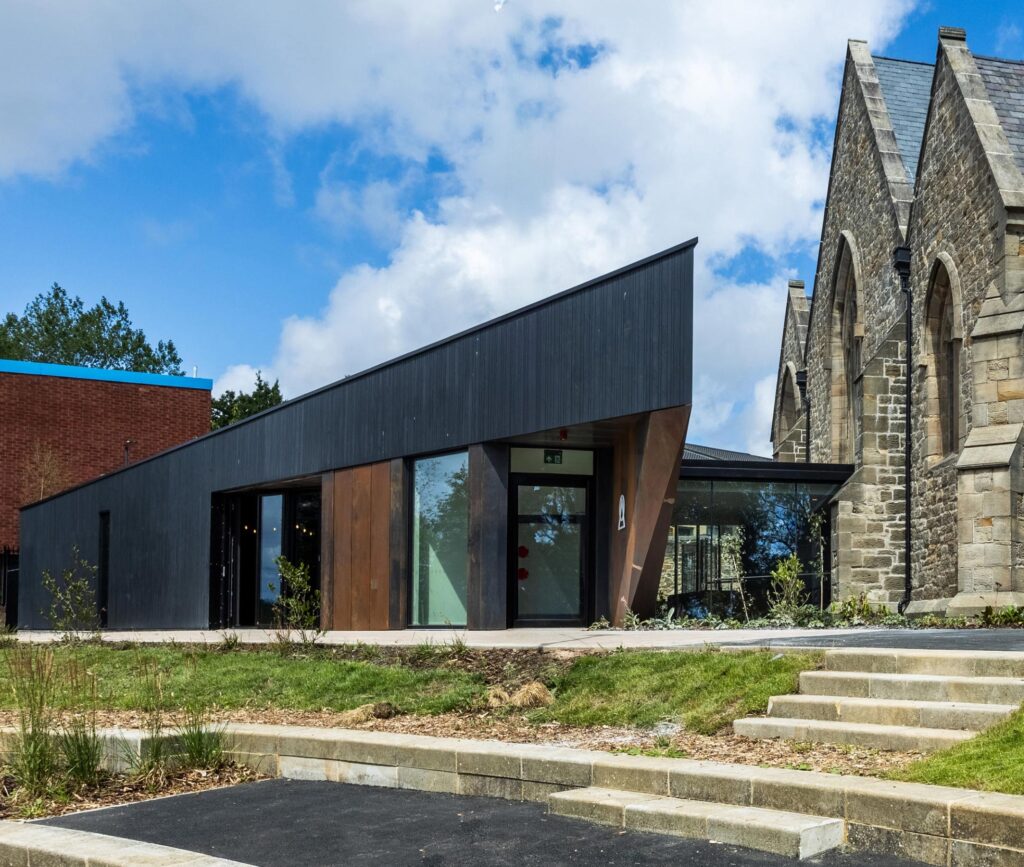
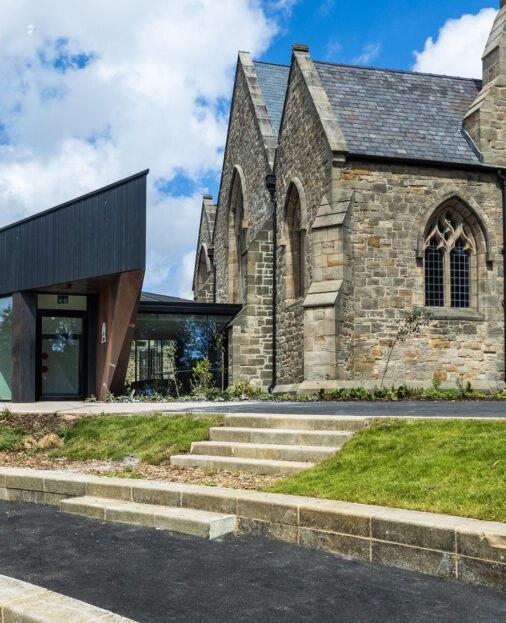
The Lighthouse Project, Newcastle. A Grade II listed church — St Michael’s in Byker — turned into a youth and community hub for a King’s Trust partner. Eden restored the original building with stone repair and specialist joinery, built a contemporary annex alongside it, then fitted out music studios, art spaces and homework zones, with landscaping, a sports pitch and a woodland walk outside. Sixteen months, completed July 2025, with much of the work delivered through local subcontractors. Read the case study
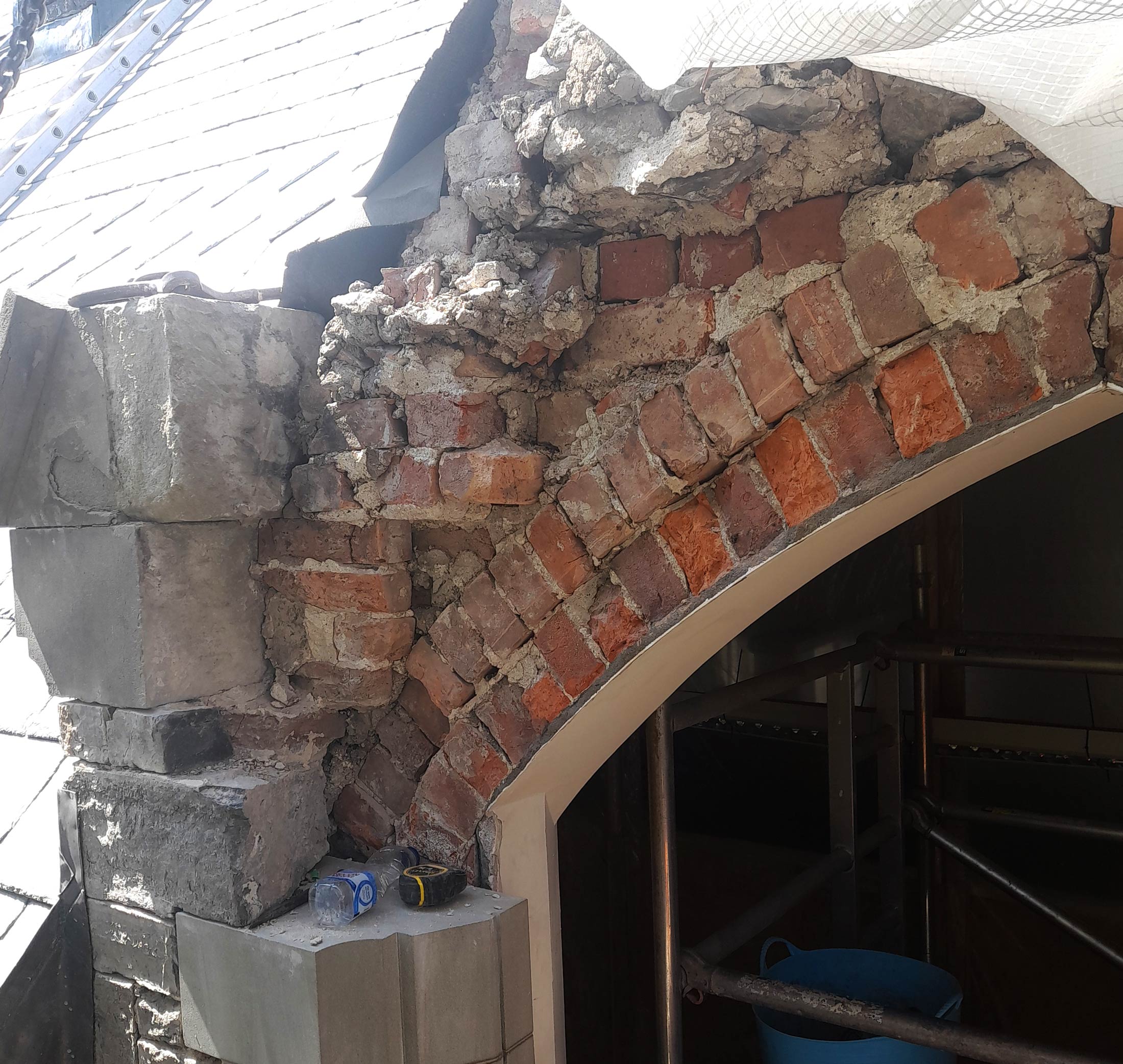
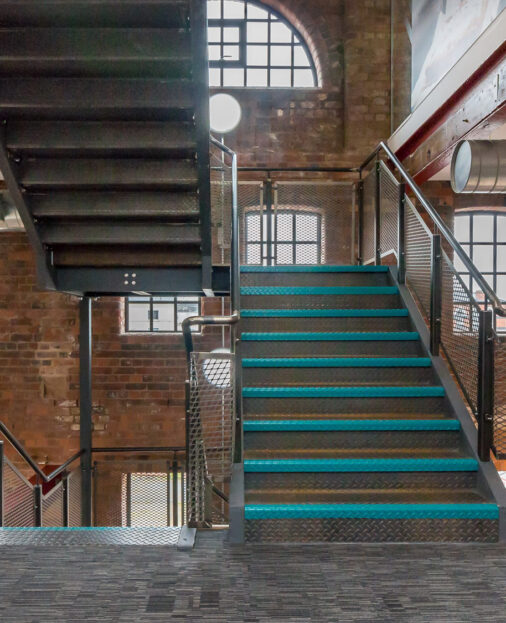
The King’s Trust, Birmingham. A Grade II listed Victorian cold store from 1899, long disused, brought back as a modern community centre. This one needed real structural work — new steel beams and a new slate roof — alongside full mechanical and electrical installation, new lifts and bespoke staircases for access, and flexible workspaces inside, all while keeping the listed fabric intact. 31 weeks on site. Read the case study
What to expect on programme
Be honest with yourself on two things: approvals take time before a spade goes in the ground, and matched materials plus specialist trades cost more than standard equivalents. Heritage work is slower and dearer than like-for-like — and it should be. That’s what protects the building. We’ll tell you the realistic programme up front rather than the one you want to hear.