
Choosing the right building firm for your project
For architects and property developers, selecting the right building contractor can define the success or failure of a project. On large commercial or mixed-use schemes over £200,000, the stakes are high. Budgets are tight, programmes are complex and reputations are on the line.

At this scale, appointing a contractor is not simply about price. It is about capability, clarity and confidence that the team you appoint can deliver what has been designed, within the agreed scope, budget and timeframe.
This guide is written for architects working on non-residential projects. It outlines what to look for, what to ask and how to reduce risk when choosing a building firm.
Why contractor selection matters on large projects

Large projects introduce layers of complexity that are rarely present in small-scale residential work. Multiple stakeholders, technical detailing, compliance requirements and live environments all increase the risk profile.
A contractor who is not equipped for this level of delivery can quickly create problems, including:
- Programme delays that impact tenants, funding or planning conditions
- Budget overruns caused by poor planning or vague scope
- Design compromise due to lack of technical understanding
- Disputes arising from unclear responsibilities
The right contractor, by contrast, becomes an extension of the professional team. They contribute practical insight, anticipate issues early and protect the integrity of the design.
Start with proven experience, not assumptions

One of the most common mistakes is assuming that a contractor who performs well on smaller projects can scale up without issue. Large commercial or public-facing projects require different systems, management structures and financial resilience.
When assessing experience, look beyond surface-level claims. Ask:
- Have they delivered projects of a similar value and complexity?
- Do they regularly work with architects and consultants?
- Are their previous projects non-residential or mixed-use?
Request detailed case studies rather than generic portfolios. A credible contractor should be able to clearly explain their role, challenges faced and how those challenges were resolved.
The importance of clearly defining scope
Scope creep is one of the biggest threats to large construction projects. It often begins with small assumptions or vague documentation and escalates into disputes, delays and cost increases.
Before appointing a contractor, ensure there is a shared understanding of:
- What is included and excluded from the contract
- Who is responsible for design development elements
- How variations will be identified, costed and approved
Ask the contractor to walk you through how they price a project and how they protect against scope gaps. A robust contractor will actively challenge unclear areas rather than ignore them.
Questions every architect should ask a building contractor
The quality of the answers is often more important than the answers themselves. Look for clarity, transparency and confidence without defensiveness.
Key questions include:
- Can you talk us through a recent project of similar size and complexity?
- What were the main risks and how did you manage them?
- How do you handle design changes once construction is underway?
- Who will be responsible for day-to-day site management?
- How do you manage subcontractors and quality control?
Pay attention to whether responses are specific or vague. Generalised answers can indicate limited experience at this level.
Programme realism and resourcing
Unrealistic programmes are a red flag. A contractor who promises exceptionally short timelines may be underestimating complexity or planning to recover time later through pressure on quality or cost.
Ask to see:
- A detailed construction programme
- Resourcing plans for key phases
- How delays are managed and communicated
A strong contractor will explain not only how long the project will take, but why.
Financial stability and commercial transparency
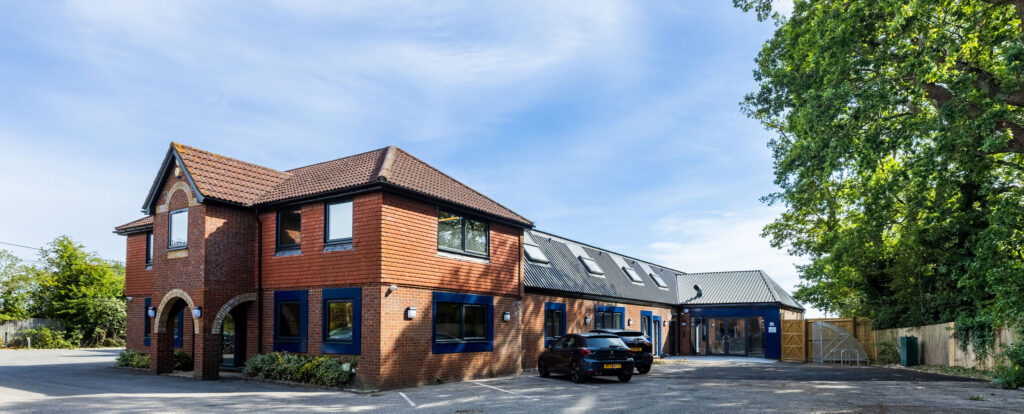
On projects over £200,000, financial resilience matters. A contractor under cashflow pressure can expose the entire project to risk.
Due diligence should include:
- Confirmation of trading history and financial standing
- Evidence of appropriate insurance levels
- Clear payment schedules and valuation processes
Transparency at this stage builds trust and reduces the likelihood of disputes later.
Collaboration, communication and project software
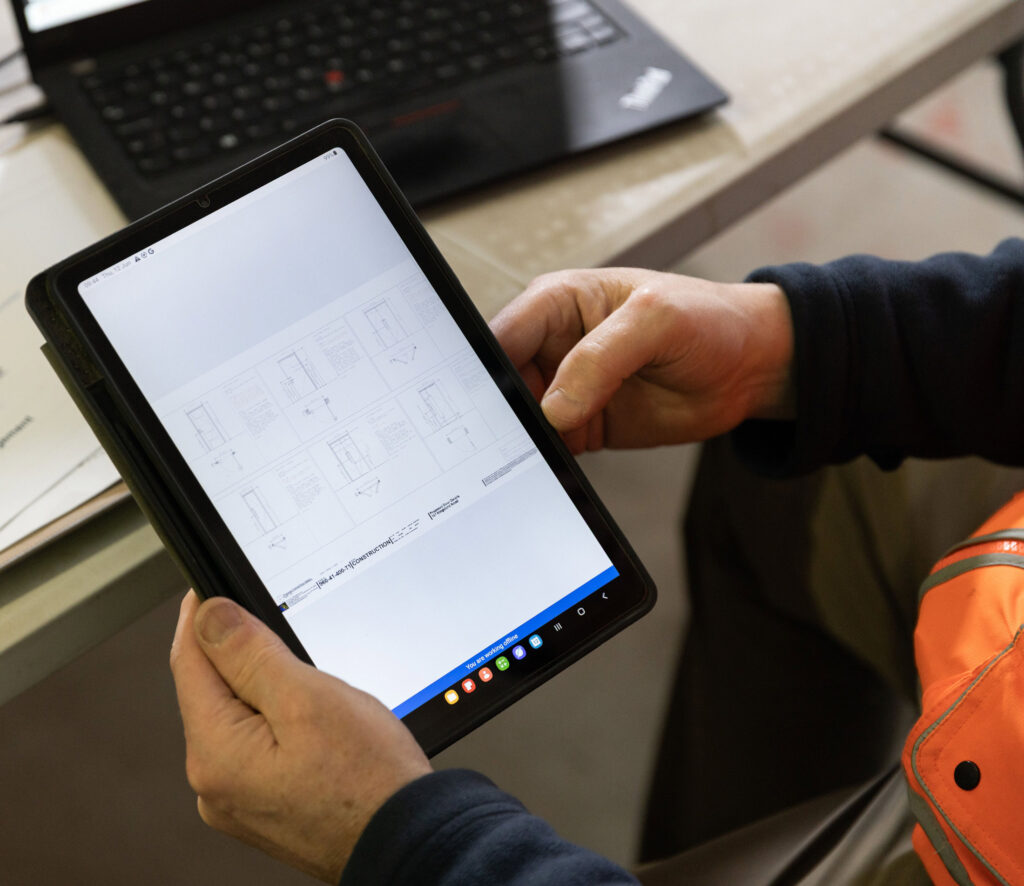
Construction is a collaborative process. On large projects, effective communication relies not only on people, but on the systems used to manage information, approvals and accountability.
Architects should ask what digital tools a contractor uses to keep a project running smoothly. Modern project management platforms improve transparency, reduce errors and create a clear audit trail.
Look for a contractor who:
- Uses recognised construction management software such as Procore to manage programmes, RFIs, drawings and reporting
- Uses digital induction and site compliance tools such as 1Breadcrumb to manage site access, inductions and safety records
- Provides real-time visibility of progress, issues and decisions
- Ensures all stakeholders are working from the same, up-to-date information
Strong systems support strong communication and significantly reduce the risk of delays, disputes and misunderstandings.
Learning from past performance
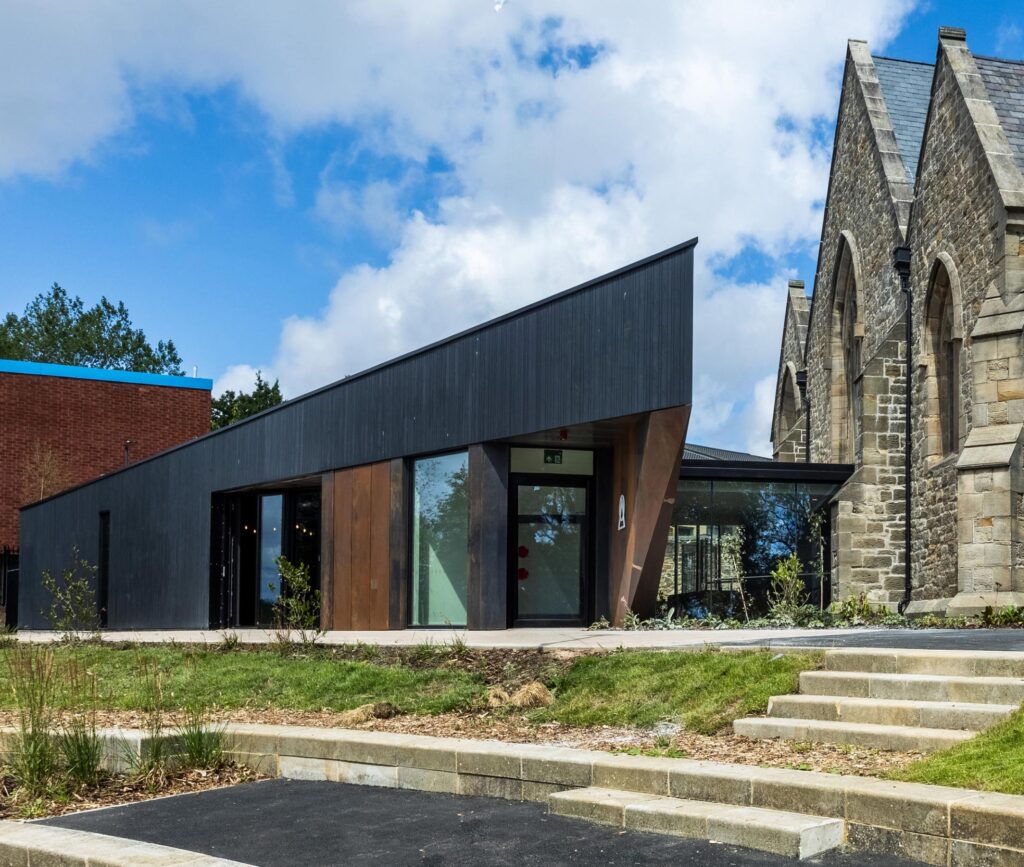
Case studies are valuable, but references are equally important. Speaking to previous clients or consultants can provide insight that marketing material cannot.
When reviewing past projects, consider:
- Were projects delivered on time and within budget?
- How were issues handled when things did not go to plan?
- Would the client or architect work with them again?
Patterns matter more than one-off successes.
Choosing confidence over convenience
The right contractor may not always be the cheapest or the most familiar. For large non-residential projects, confidence in delivery should outweigh short-term convenience.
A thorough selection process takes time, but it protects the project, the client and your professional reputation.
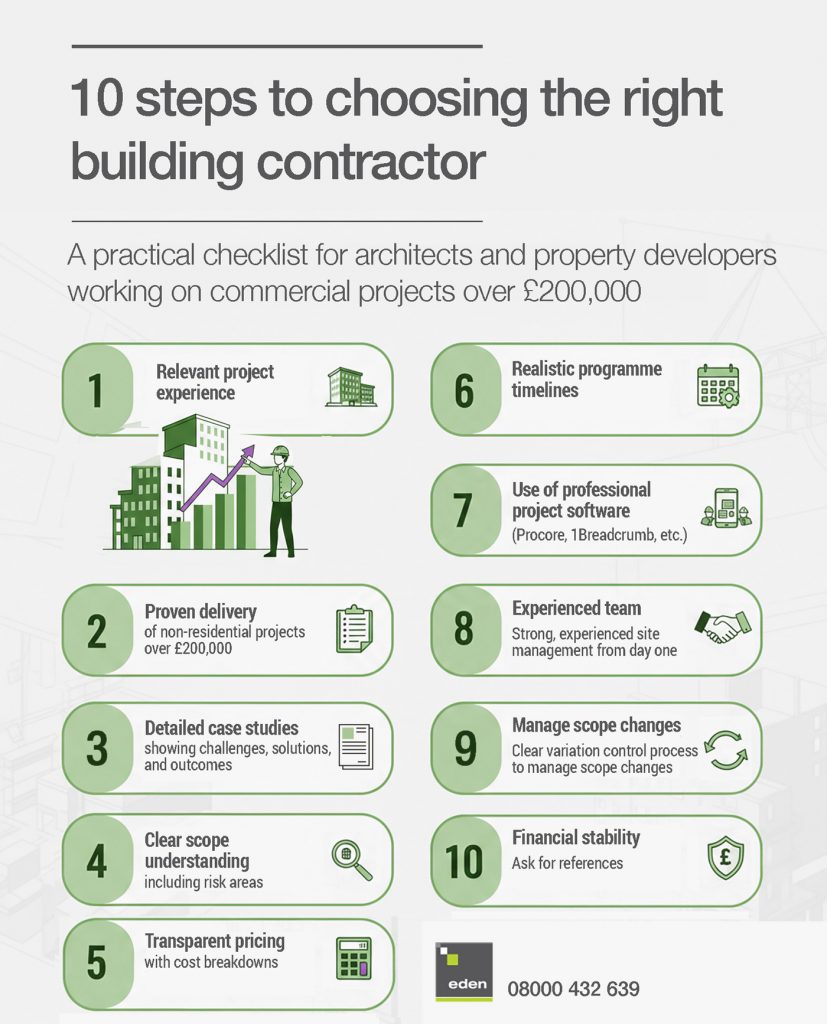
10-step checklist: choosing the right building contractor
This checklist is designed to support architects when assessing contractors for large projects. It can be used as the basis for an infographic or internal evaluation tool.
1 – Relevant project experience
Look for contractors who have direct experience with projects similar in size, type, and complexity to yours. Relevant experience ensures they understand the unique challenges of your sector and can apply lessons learned from past work to deliver efficiently and effectively.
2 – Proven delivery of non-residential projects over £200,000
Large projects bring additional risk, complexity, and regulatory requirements. Contractors who have successfully delivered non-residential projects over £200,000 are more likely to manage logistics, budgeting, and client expectations effectively, reducing the likelihood of delays or unexpected costs.
3 – Detailed case studies showing challenges, solutions, and outcomes
Case studies provide insight into how a contractor reacts when faced with difficulties. They should clearly illustrate the challenges encountered, the solutions implemented, and the outcomes achieved. This demonstrates both competence and problem-solving ability.
4 – Clear scope understanding, including risk areas
A contractor must show that they fully understand your project’s scope, as well as potential risks or limitations. This prevents scope creep, ensures realistic planning, and allows for proactive management of issues before they escalate.
5 – Transparent pricing with cost breakdowns
Transparent pricing builds trust. Contractors should provide a detailed breakdown of costs, including assumptions and exclusions, so you understand exactly what you are paying for and can identify potential areas of overspend early.
6 – Credible and realistic programme timelines
A realistic programme demonstrates that the contractor understands the project’s scale and can allocate appropriate resources. Avoid contractors who consistently over-promise; reliable timelines are essential for coordination with other stakeholders.
7 – Use of professional project software (Procore, 1Breadcrumb, etc.)
Modern project management and site monitoring software improves efficiency, communication, and compliance. Contractors who use professional platforms can provide real-time updates, streamline documentation, and maintain rigorous safety and quality standards.
8 – Strong, experienced site management from day one
The success of any project depends on the people on site. Experienced project and site managers assigned from day one ensure consistent oversight, effective coordination, and adherence to design intent, helping avoid costly errors or delays.
9 – Clear variation control process to manage scope changes
Projects often evolve. Contractors should have a robust method for managing variations, ensuring that changes are clearly documented, costed, and approved. This prevents disputes and keeps the project on budget.
10 – Financial stability and positive references
A financially stable contractor is less likely to face delays due to cash flow issues. Positive references from previous clients, architects, and consultants demonstrate reliability, professionalism, and the ability to maintain good working relationships.
Final thoughts

Choosing the right building firm is one of the most important decisions made on any large project. For architects, it is about more than construction. It is about protecting design integrity, managing risk and delivering successful outcomes for clients.
Taking a structured, informed approach to contractor selection reduces uncertainty and sets the foundation for a well-run project from day one.
At Eden, we work closely with architects and property developers across the UK on complex, large-scale projects. Our focus is on clarity, collaboration and delivering work that stands up to scrutiny at every level.